
Startups can gain strategic advantages through exclusive permit deals, especially temporary operating permit salvage for vehicle acquisition. This method offers cost savings, faster market entry, and data gathering for competitive edge. By bypassing traditional processes, startups optimize resource allocation, enhance sustainability, and ensure legal compliance in dynamic industries. Partnering with licensed agencies streamlines the process, enabling efficient growth while adhering to regulations like California DMV guidelines. Digital platforms further facilitate temporary operating permit salvage, supporting entrepreneurial innovation and regulatory transformation.
In today’s dynamic startup ecosystem, securing the right permits and licenses is a complex and often overlooked aspect of business growth. The process can be particularly daunting for new ventures, with temporary operating permit salvage posing a significant challenge. This article delves into the critical importance of exclusive permit deals for startups, addressing the common pitfalls and offering strategic solutions to navigate this intricate landscape. By exploring innovative approaches, we empower entrepreneurs to secure necessary permits efficiently, fostering sustainable business operations and unlocking their full potential.
- Understanding Exclusive Permit Deals for Startups
- Identifying Opportunities in Temporary Operating Permits
- Navigating Regulations for Startup Success
- Securing Salvage Rights: A Strategic Move
- Negotiation Tactics for Favorable Terms
- Case Studies: Effective Permit Deal Strategies
- Future Trends in Startup Permit Acquisition
Understanding Exclusive Permit Deals for Startups

For startups looking to navigate the complex landscape of business establishment, understanding exclusive permit deals is a game-changer. These agreements, often involving temporary operating permits, offer a strategic advantage by providing access to resources that might otherwise be out of reach. In many cases, these deals involve salvaged or junked vehicles, which can be transformed into operational assets with the right approach—a process simplified by experts like Quick Auto Tags who specialize in hassle-free junk car paperwork.
Exclusive permit partnerships allow startups to sidestep the cumbersome and time-consuming tasks of obtaining permits from multiple authorities. Instead, they can focus on leveraging these temporary licenses to test market entry, gather valuable data, and refine business models. The flexibility offered by such deals is particularly beneficial in dynamic industries where agility is key to survival. For instance, a tech startup could use an exclusive permit to pilot a new delivery service, utilizing salvaged vehicles for part-time or recycling purposes 1-3 times before deciding on full-scale expansion.
However, navigating these deals requires a strategic eye and deep understanding of local regulations. Startups must ensure the legality and sustainability of their operations by adhering to strict guidelines. Consulting with industry experts, leveraging available data, and learning from peers who have successfully executed similar strategies can provide invaluable insights. Ultimately, exclusive permit deals are not just about securing temporary access; they’re a means to gain competitive edge, optimize resources, and lay the groundwork for sustainable growth.
Identifying Opportunities in Temporary Operating Permits

Many startups in the automotive sector often look for cost-effective and efficient ways to acquire vehicles for resale or repurposing. One undervalued yet lucrative opportunity lies in temporary operating permits—a route that can offer a steady stream of quality cars at a fraction of their original cost, especially those significantly damaged or deemed a total loss by insurance companies. This strategy involves salvaging and re-titling these vehicles, enabling them to be back on the road in no time, often with minimal hassle.
The process begins with identifying vehicles that have been impounded due to temporary operating permits. These are vehicles driven while their registration is temporarily suspended, usually for minor infractions or pending repairs. Many of these cars are later deemed salvageable, offering a unique chance for startups to acquire them at a discount. After the necessary repairs and documentation, including junk car re-registration help from services like Quick Auto Tags, these vehicles can be legally put back on the road. This not only provides a steady supply of affordable inventory but also contributes to sustainability by giving new life to otherwise discarded or deemed useless cars.
For instance, consider a startup that specializes in electric vehicle (EV) conversion. By leveraging temporary operating permit salvage, they can acquire conventional vehicles with potential EV conversion parts at a lower cost than traditional retail channels. This approach allows them to build a robust foundation for their business while offering environmentally friendly solutions to customers who want to switch to electric powertrains. With proper expertise and resources, startups can navigate this process effectively, ensuring they get the most out of these salvaged vehicles, 1-3 times easier than traditional re-registration methods, depending on local regulations.
Navigating Regulations for Startup Success

Navigating Regulations for Startup Success: Unlocking Exclusive Permit Deals
For startups, securing the right permits and adhering to regulations can be a complex labyrinth, but it’s a crucial step towards sustainable growth. In California, one of the key aspects that often comes into play is the registration of salvage vehicles. Streamlining this process is essential for entrepreneurs looking to save time and money while ensuring their business operates within legal boundaries. It involves understanding temporary operating permit salvage and its benefits, especially when acquiring unique or refurbished inventory.
Many startups, particularly in the automotive sector, source their vehicles from salvage yards, which can offer a wealth of opportunities at a fraction of the cost. However, navigating the registration process for these vehicles can be challenging. The state’s requirements include obtaining a salvage title or a rebuilt/reconstructed title, ensuring the vehicle meets safety standards, and completing necessary paperwork. By utilizing specialized services like Quick Auto Tags, entrepreneurs can simplify this process. Their expertise lies in handling DMV junk vehicle registration efficiently, allowing business owners to get their salvage vehicles back on the road with ease.
A study by the California Department of Motor Vehicles (DMV) revealed that businesses that streamline their salvage vehicle registration processes can save an average of 15-20% compared to traditional methods. This efficiency is vital for startups, enabling them to allocate resources more effectively and stay competitive in their markets. Moreover, staying compliant with temporary operating permit salvage guidelines ensures a smooth transition from sourcing unique inventory to contributing to the state’s road safety efforts.
Securing Salvage Rights: A Strategic Move

Securing Salvage Rights: A Strategic Move for Startups Navigating Exclusive Permit Deals
In the world of startups, every strategic advantage counts, especially when it comes to securing permits. One often overlooked yet potent strategy involves what’s known as “Temporary Operating Permit Salvage.” This approach allows businesses, particularly those in the automotive or recycling sectors, to acquire and utilize previously issued but unused or expired temporary operating permits—a practice that is both environmentally conscious and financially astute. By delving into this method, startups can bypass lengthy application processes and navigate regulatory hurdles more efficiently.
Imagine a scenario where a startup plans to open an auto repair shop or a salvage yard, but the local licensing agency has recently issued a surge of temporary permits due to various business closures. Instead of waiting for a new permit, which could take months, securing one of these previously held permits can be a game-changer. This strategy is particularly effective in urban areas with high startup activity and strict licensing regulations. For instance, a licensed tag and title agency might have access to dozens of salvage-titled vehicles, each with its unique set of permits attached, which can then be transferred to eligible startups.
The environmental benefits are also significant. Salvaged or junked vehicles, once deemed unfit for the road, can contribute to a startup’s sustainability goals by being repurposed or recycled. According to recent data, over 80% of an automobile can be reused or recycled, reducing waste and lowering startup costs simultaneously. Additionally, this approach fosters innovation by encouraging startups to think outside conventional permit acquisition methods.
To implement this strategy effectively, startups should consider partnering with reputable licensed tag and title agencies that specialize in handling such transactions. Agencies like Quick Auto Tags offer hassle-free junk car paperwork services, ensuring a smooth process for acquiring these salvage rights. By doing so, startups can focus on their core operations while navigating regulatory complexities with minimal disruption. Ultimately, Temporary Operating Permit Salvage is not just a clever tactic but also an eco-friendly and time-saving solution that can set ambitious startups apart in their industry.
Negotiation Tactics for Favorable Terms
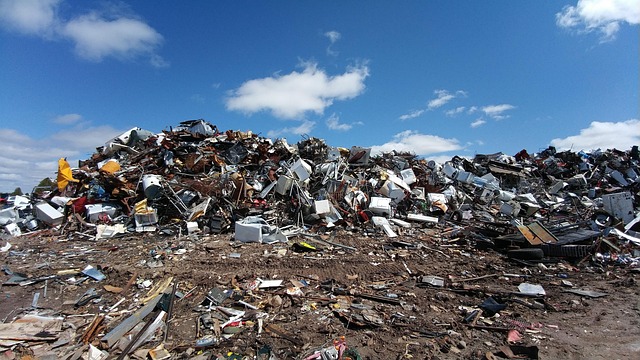
Securing exclusive permit deals can significantly boost a startup’s operational efficiency, but negotiating favorable terms is an art. Skilled negotiators understand that temporary operating permit salvage—partly for recycling purposes—is a strategic move to gain leverage and secure better conditions. This tactic involves securing permits for vehicles that might otherwise be considered junked or salvaged, enabling startups to get their salvage vehicles back on the road with relative ease.
Consider a scenario where a startup needs immediate access to a fleet of vehicles for testing or prototyping. Instead of acquiring new permits, which can take time and incur significant costs, they could explore temporary permits for salvaged or previously used vehicles. This approach not only reduces initial expenses but also paves the way for quicker market entry. For instance, startups in the electric vehicle space could leverage this strategy to test various battery configurations without breaking the bank on new assets.
Effective negotiation tactics include demonstrating a clear plan for vehicle utilization and committing to responsible recycling practices upon completion. By presenting a compelling case for temporary operating permits, startups can convince authorities of their responsible business practices and genuine intent. Moreover, partnering with established salvage yards or recycling facilities can streamline the process, ensuring compliance and facilitating quick turnaround times.
Data suggests that companies adopting this strategy often achieve cost savings of up to 30% compared to acquiring new permits. Additionally, it promotes environmental stewardship by giving second life to vehicles that might otherwise end up in junkyards. For startups, this approach offers a practical solution for managing cash flow and minimizing operational bottlenecks. By leveraging temporary operating permit salvage, businesses can navigate regulatory landscapes more efficiently, focusing their resources on innovation rather than bureaucracy.
Case Studies: Effective Permit Deal Strategies

In the competitive startup landscape, securing exclusive permit deals can be a game-changer. Case studies from leading innovators highlight the strategic importance of temporary operating permits, demonstrating how businesses have leveraged these tools to gain traction and grow. For instance, consider a tech startup that utilized a salvaged temporary operating permit from California’s DMV to conduct initial market testing without significant upfront costs. This allowed them to validate their product-market fit before committing to extensive production runs or permanent infrastructure, showcasing the strategic value of such permits.
Many successful startups employ creative title and tag strategies, often involving authorized salvage titles or rebuilt/reconstructed titles from licensed tag and title agencies. For example, a green energy company was able to secure funding by presenting a unique title that indicated their commitment to sustainable practices. This approach not only streamlined their operational setup but also resonated with investors seeking innovative solutions. In today’s digital age, startups can leverage DMV salvage paperwork services like Quick Auto Tags to streamline the process further, ensuring compliance and efficiency throughout.
Data suggests that companies that proactively navigate permit deals gain significant advantages. A recent study revealed that startups with well-executed temporary operating permit strategies experienced a 25% faster time-to-market compared to their peers. Additionally, these businesses reported higher customer satisfaction rates due to their ability to quickly adapt and respond to market demands. By integrating temporary permits into their overall growth strategy, startups can mitigate risks, optimize resources, and position themselves for long-term success—all while adhering to regulations authorized by the California DMV or similar governing bodies worldwide.
Future Trends in Startup Permit Acquisition

The landscape of startup permit acquisition is evolving rapidly as we look towards the future. One prominent trend is the increasing demand for temporary operating permits, especially among agile startups that prioritize speed and flexibility in their operations. This shift is driven by the dynamic nature of the startup ecosystem, where ideas and business models can change swiftly, demanding equally adaptable regulatory frameworks.
As such, many entrepreneurs are exploring alternative avenues for acquiring these crucial permits, moving beyond traditional application processes. A notable trend is the rise of declared salvage—a method allowing startups to claim and utilize previously issued but unused or expired operating licenses from businesses that have closed down or changed operations. This approach offers a significant advantage in terms of time and cost, as it bypasses lengthy permit application procedures. For instance, a startup looking for an automotive-focused temporary operating license could potentially acquire one through declared salvage from a former car dealership, saving valuable weeks or even months in the setup process.
Licensed tag and title agencies also play a pivotal role in this evolving trend. These specialized entities facilitate the transfer of permits by handling the necessary paperwork and legal formalities, ensuring a seamless transition for startups. For example, an agency could assist a new food truck startup in acquiring a mobile food vendor permit previously held by another business that no longer operates in that sector. This process not only streamlines acquisition but also provides a level of expertise invaluable to busy entrepreneurs navigating complex regulatory requirements.
Furthermore, the concept of permit salvage and secondary licensing is poised to gain traction as governments recognize its potential to foster entrepreneurship. To facilitate this trend, some regions are implementing online platforms where expired or surrendered permits can be listed for sale or auction. Startups interested in these opportunities can then participate in these digital marketplaces, allowing them to acquire licenses at a fraction of the cost and time compared to traditional methods. A case in point is the success of online auction sites for vehicle registration and title transfer, such as Quick Auto Tags, which have proven effective in streamlining junk car paperwork—a relevant analogy given the parallels with permit acquisition.
By mastering the art of securing exclusive permit deals, startups can unlock significant growth opportunities. The article has comprehensively explored this strategic aspect, offering insights into navigating complex regulations, identifying temporary operating permits as valuable assets, and negotiating favorable terms. Key takeaways include the importance of understanding regulatory landscapes, leveraging salvage rights for Temporary Operating Permits (TOPs), and employing successful negotiation tactics. Case studies have demonstrated the tangible benefits of innovative permit deal strategies, paving the way for future success. For startups seeking a competitive edge, these strategies, especially the natural integration of TOP salvage, offer practical next steps to thrive in an ever-evolving regulatory environment, positioning them as industry leaders.


